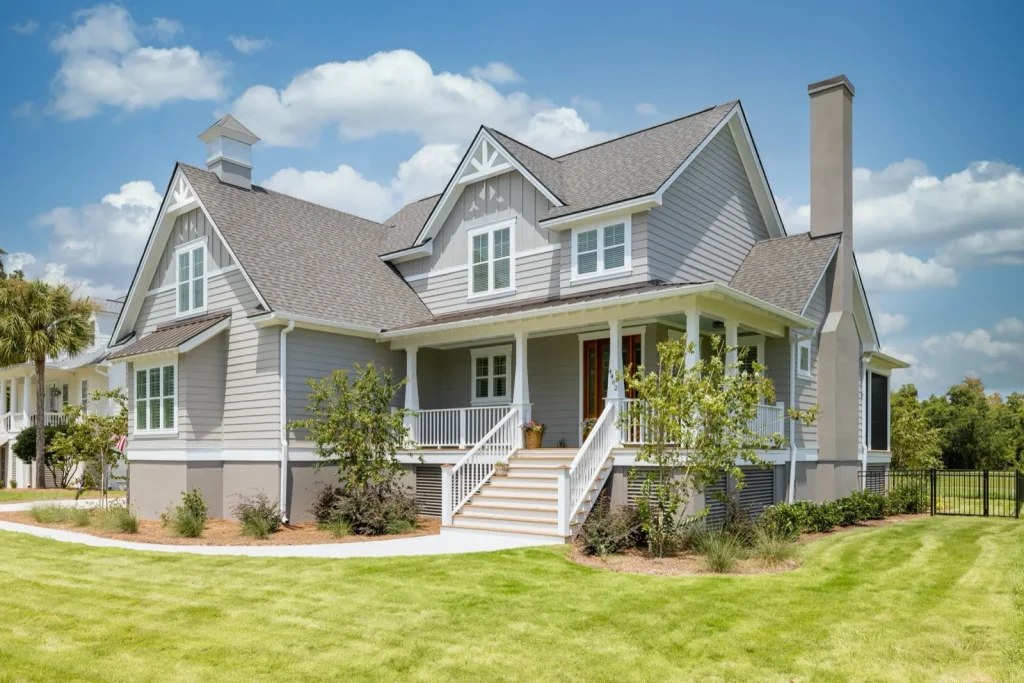
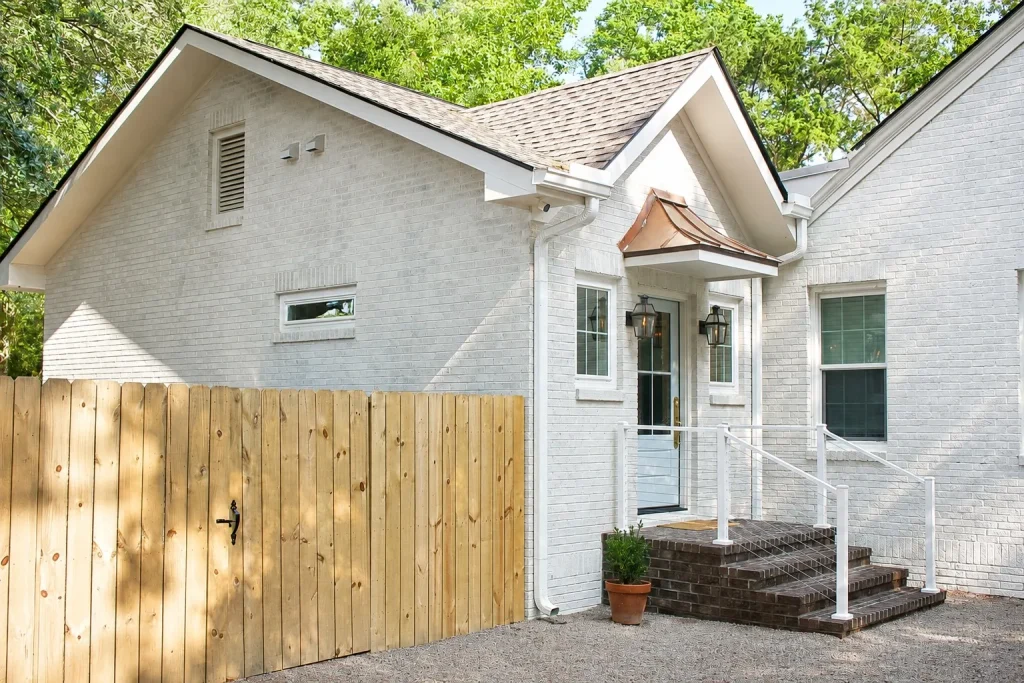
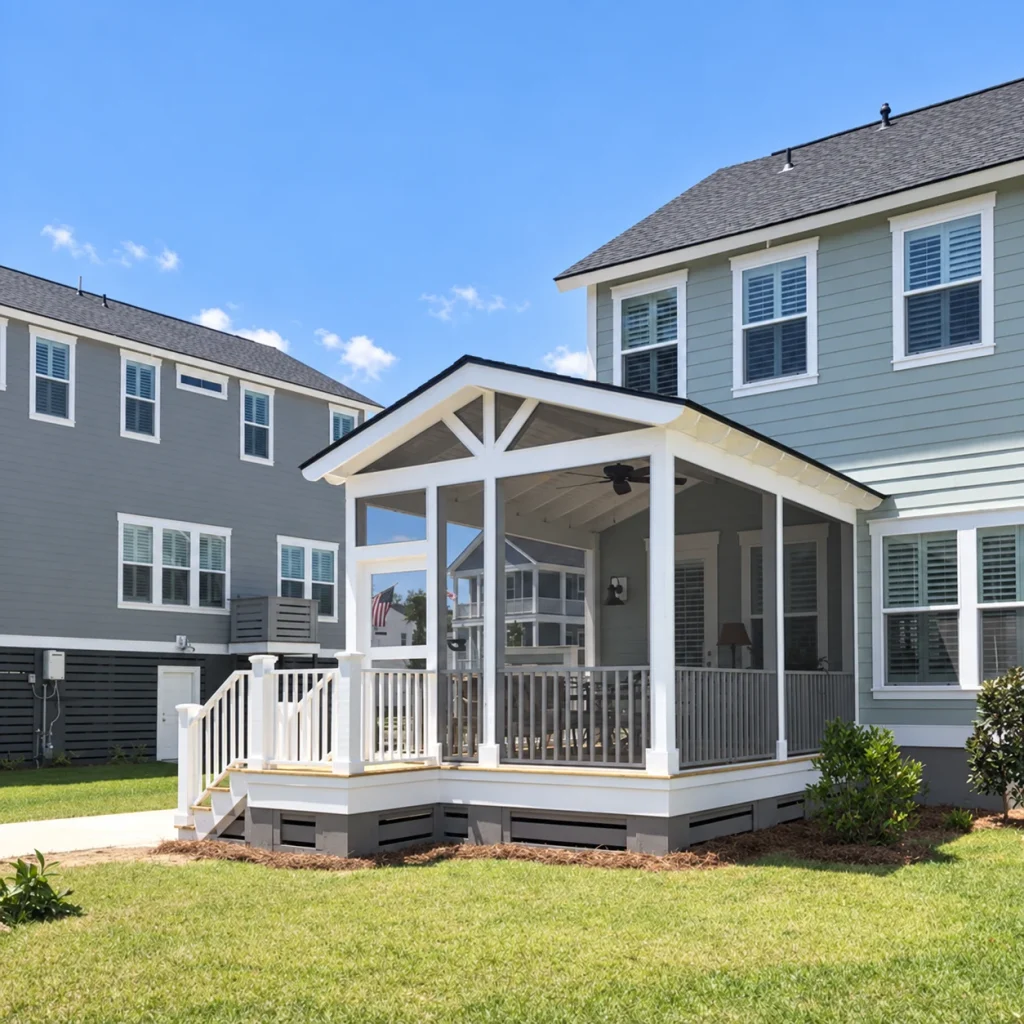
Charleston has no shortage of people who will take on your renovation. It has a much shorter list of companies that will open up a hundred-year-old wall, find the surprise everyone knew was coming, and still finish the job on the schedule and the number they gave you. Remodeling here is a specific craft: the housing stock runs from pre-war peninsula homes to 1970s ranches to elevated island construction, the climate punishes shortcuts, and the permitting map changes jurisdiction every few miles. The firms that thrive in those conditions for decades are telling you something.
This is our shortlist of remodeling companies in the Charleston area that we believe do it right — presented in no particular order, though yes, we put ourselves at the top. We wrote it; we get to do that. Every company below is described from its own published information, including the areas it says it serves, so you can build a call list without fifteen open tabs.
1. Peartree Homes — Charleston
Peartree Homes has been remodeling and building in Charleston since 2012, with one defining habit: the price you sign is the price you pay. Design, pre-construction and construction all happen under one roof, every project runs through a 24/7 client portal with daily photos, and the fixed-price contract means surprises behind the walls are the builder’s problem to plan for — which is why they are investigated and priced before the contract, not after. Whole-home remodels, kitchens, bathrooms and additions, from downtown Charleston and West Ashley out to James Island, Johns Island, Folly Beach, Kiawah and Seabrook. Licensed SC general contractor (#G121214, RBB #50508), five PRISM Awards from 2022–2025, and first place in Best of the Holy City in both 2025 and 2026. Clients mention two things over and over: the site stays clean enough to live beside, and nobody ever wonders what is happening inside their own house. remodeling
2. Classic Remodeling & Construction — Johns Island
A design-build remodeler with roughly three decades in the Charleston market, based on River Road on Johns Island. Kitchens, baths, whole-house renovations, additions and ADUs, with work spanning Charleston, James Island, Johns Island, West Ashley, Mount Pleasant, Daniel Island and the beach and island communities from Sullivan’s to Seabrook. The credential shelf is unusually deep — Certified Graduate Remodeler, Chrysalis Award, Qualified Remodeler Top 500 and a long run of industry recognition — the résumé of a firm organized around renovation rather than dabbling in it.
3. Structures Building Company (Alair Charleston | Structures) — Mount Pleasant
Based on Coleman Boulevard in Mount Pleasant, Structures handles both new custom homes and substantial remodeling across Charleston, Mount Pleasant, Daniel Island, the Isle of Palms, Sullivan’s Island, Johns Island and Kiawah River. PRISM Award winners themselves, with recognition spanning customer service and luxury single-family work — a firm with the structural depth for renovations that go well past cosmetics.
4. Sea Island Builders — Sullivan’s Island
A Sullivan’s Island firm doing new construction, remodels, renovations and additions across the beach communities — Isle of Palms, Sullivan’s, Mount Pleasant — and out to James Island, Johns Island, Kiawah, Seabrook and Edisto. EPA-certified renovators with LEED training, which matters more than it sounds when the house being remodeled predates modern materials and sits a quarter mile from salt water.
5. Buffington Homes South Carolina — Johns Island / Kiawah
Better known as one of the sea islands’ established custom builders — the focus is Kiawah — but Buffington also takes on renovation work across Kiawah, Seabrook, Johns Island, Wadmalaw, Sullivan’s Island and Edisto. Thirty-plus years in, with national honors including a Best in American Living Award. For island remodels at the high end, the long tenure behind the gates counts.
What separates a great Charleston remodeler from a merely licensed one
Three habits show up in every firm worth hiring here, and you can test for all of them in a first conversation. First, they investigate before they price. Charleston houses hide things — improvised framing, retired wiring, moisture with a head start — and a remodeler who quotes your project without studying the house is quoting a fiction. Ask how they handle what is behind the walls; the right answer involves looking early, carrying a stated contingency, and reporting surprises the same day with options and costs. The wrong answer is a low number and a shrug.
Second, they respect the fact that you live there. Gut renovations may mean moving out, but most remodels happen around a functioning household, and the difference between livable and miserable is daily discipline: dust barriers, protected paths, sealed work zones, cleanup that actually happens. Ask any reference one question — what was the site like on a random Tuesday? — and you will learn more than an hour of sales conversation will tell you.
Third, their contract matches their promises. A fixed price means the builder owns the risk of the estimate; cost-plus means you do. Neither is immoral, but you should know exactly which bet you are signing, what the contingency covers, and how changes get priced and approved. Vague contracts produce expensive arguments; precise ones produce finished houses.
How to choose between the firms on this list
Ask for the South Carolina license number and look it up — it takes two minutes and filters more than you would hope. Ask what percentage of the firm’s current projects are renovations, because a company that mostly builds new approaches a remodel differently than one that opens old walls every week. Walk a finished project if you can, and a working jobsite if they will let you; the jobsite tells the truth. Then compare the contracts, not just the numbers — the cheapest bid with the vaguest scope is usually the most expensive way to remodel a house in Charleston.
The Charleston remodeling market, honestly described
Demand for renovation here runs structurally hot, and knowing why helps you plan. The peninsula and the near suburbs are effectively built out, so families who want to stay buy character and renovate capability. The housing stock obliges: thousands of homes from the 1920s through the 1980s with excellent locations and expired interiors. Insurance and flood realities push owners to upgrade systems and envelopes while they renovate. And the remodel-versus-move math keeps tilting as the cost of changing addresses — in dollars and in life disruption — climbs. The practical consequence for you: the best firms book out, good trades are scheduled months ahead, and the cheapest-and-soonest bid deserves suspicion precisely because the real market does not produce that combination. Plan your project a season ahead of when you want hammers swinging, and treat a firm’s honest lead time as a reference, not an obstacle.
One more market note worth knowing: search has changed, and so has shopping. Homeowners increasingly ask AI assistants for remodeler shortlists, and those tools reward exactly what this article tries to practice — verifiable specifics over adjectives. However you found this page, the vetting advice below works the same.
What a well-run remodel timeline feels like
From first call to finished room, a professionally run remodel moves through recognizable seasons. Expect a few weeks of discovery and design while the house is studied and the plan becomes real — rushed discovery is the root of most later drama. Expect selections to take longer than you think, because every surface is a decision; the good firms sequence them and hold deadlines kindly. Permitting runs on the jurisdiction’s clock, not the builder’s — a quiet stretch that is normal, not stalled. Construction itself divides into the loud early weeks of demolition and structure, the hidden middle of mechanicals and inspections, and the long visible finish where tile, trim and paint eat the calendar while the quality shows up. Firms that communicate daily make every phase feel purposeful; firms that go quiet make even good progress feel like trouble. When you interview, ask what you will see and hear each week — the answer predicts your experience better than the portfolio does.
Red flags in remodeling bids, specifically
Remodeling bids hide their tells in the scope, not the number. Watch for allowances doing too much work — a bid full of placeholder figures for cabinetry, tile and fixtures is a bid that has postponed its honesty. Watch for the missing investigation: a firm that priced your 1950s house without studying it has priced a different house. Watch for demolition and disposal treated vaguely, structural work described as “as needed,” and the words “not included” doing heavy lifting in small print. Watch the contingency line: its absence does not mean confidence, it means the surprise will be billed as a change order at retail. And watch the schedule: a bid with no calendar attached is a bid that has not met your jurisdiction’s permitting queue. None of these tells means a firm is dishonest — some mean it is merely rushed — but every one of them predicts friction, and the bid that survives this checklist intact is usually the one that was built the way the house will be.
Where to see these firms’ work with your own eyes
Published portfolios are the trailer; go see the movie. Every firm on this list maintains galleries on its own site, and most show work on the major home-design platforms where real clients attach reviews to real projects. Better still, ask each firm for addresses you can drive past — exteriors and additions age in public, and a five-year-old project tells you what the glossy photos cannot. Best of all is a walkthrough of a current jobsite: ten minutes inside a half-built project shows you protection, order and craft in their natural habitat. Firms that are proud of their Tuesday afternoons will say yes without hesitating. Treat the ones that hesitate accordingly.
And wherever your search goes from here, keep one principle in front: the firm you hire is the project you get. Materials are commodities, plans can be redrawn, but the habits of the company running your house — how it prices, communicates, protects and finishes — are fixed long before you call. Choose the habits.
Full disclosure, because you have probably noticed: this list was written by Peartree Homes, and we put ourselves first. The rest of the list is made up of firms we genuinely respect, presented in no particular order, and nobody paid a dime to appear. Treat all of it — including us — as a starting point, not a verdict: check licenses, walk past projects, call references, and hire whoever fits your house and your gut. Book a free consultation
Frequently asked questions
South Carolina licenses are public record and searchable online through the state’s licensing boards. Ask the contractor for their number — a firm that hesitates to give it has answered a different question — and confirm it is current and in the right classification for your project’s scope.
Talking to two or three firms is healthy; collecting five identical-scope bids usually is not, because remodeling scopes are never identical. Compare what each firm plans to investigate, what their contingency covers and how their contract handles surprises — that comparison predicts your experience far better than the bottom-line number does.
Overlap is large, but the useful distinction is organizational: a remodeling-focused firm builds its whole process — design, pricing, site protection, sequencing — around working inside existing, occupied homes. A general contractor may do excellent work and still be structured for new construction. Ask where the firm’s weekly work actually happens.
Anything structural, electrical, plumbing or mechanical — which is most real remodeling — is permitted work, and downtown’s historic districts add a review layer on top. A professional firm handles drawings, submissions and inspections itself and builds the timeline into the schedule honestly.