John’s Island is where Charleston still has room — big wooded lots, marsh views, working farms beside new neighborhoods, and a building boom running from Maybank Highway to the Kiawah gate. It is also, quietly, one of the more complicated places in the Lowcountry to build: the island is a patchwork of jurisdictions, lot conditions vary field by field, and infrastructure that is taken for granted in town — municipal water, sewer, drainage — is a lot-by-lot question out here. The right builder for John’s Island knows the island specifically, not just the region generally.
Our shortlist, in no particular order — we claimed the first slot; writing the article has its privileges. Several of these firms are based on the island itself, which tells you something about where the work is.
1. Peartree Homes — Charleston & John’s Island
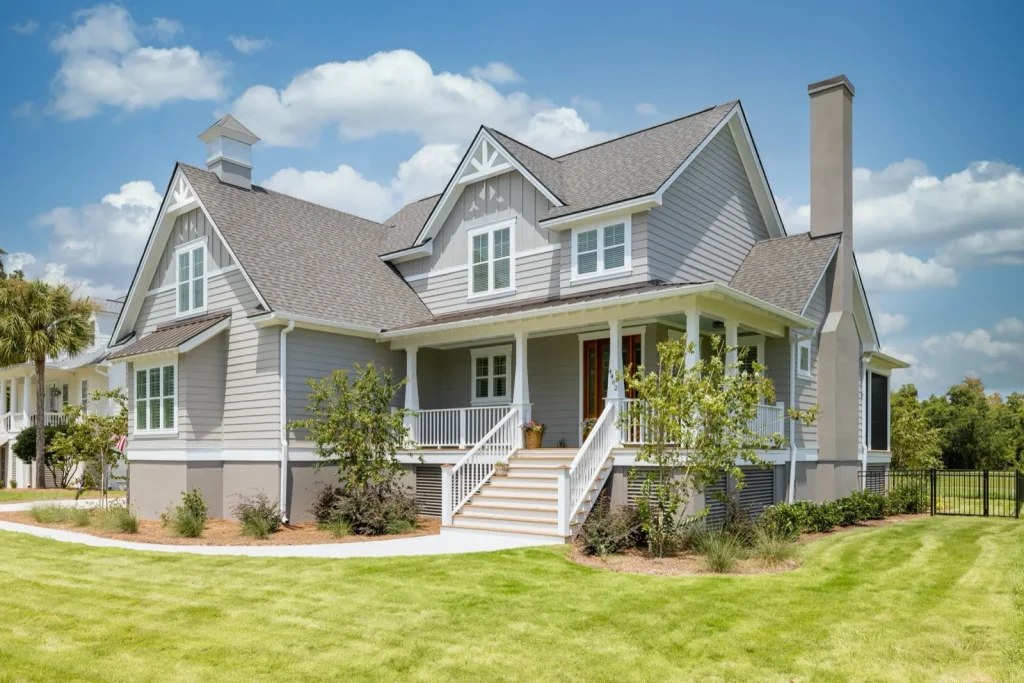
John’s Island is home turf for Peartree John’s Island — the firm builds custom homes and runs whole-home remodels, kitchens, baths and additions across the island and the rest of the sea-island corridor. The approach fits the island’s mix of old farmhouses and new construction: honest feasibility work on your specific lot before any contract — jurisdiction, flood zone, access, utilities — then one in-house team from design through build, a fixed price once the plan is set, and daily visibility through the client portal. Fourteen years of Lowcountry building, licensed and insured (SC GC #G121214, RBB #50508), five PRISM Awards, and two straight Best of the Holy City wins.
2. Buffington Homes South Carolina — Johns Island
Headquartered on Betsy Kerrison Parkway on John’s Island itself, with thirty-plus years of custom building and renovating across the island and its neighbors — Kiawah, Seabrook, Wadmalaw, Edisto — and national honors including a Best in American Living Award. As local as a builder gets out here.
3. Classic Remodeling & Construction — Johns Island
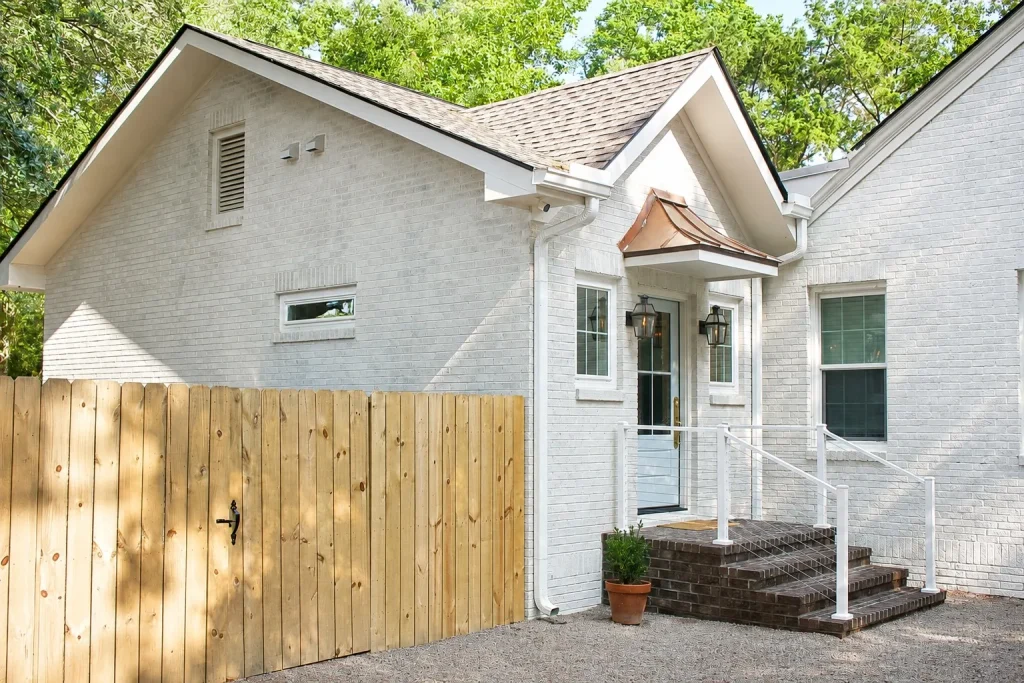
The island’s veteran design-build remodeler, based on River Road for the better part of thirty years. If your John’s Island project is transforming an existing home — renovation, addition, ADU, guest house — rather than starting from a bare lot, they are a natural fit, with a certification shelf built entirely around renovation.
4. Lowcountry Premier Custom Homes — Daniel Island
A custom-home specialist with more than thirty years of experience and hundreds of homes built, working across Charleston, Daniel Island, Mount Pleasant, the Isle of Palms and John’s Island — primarily ground-up custom construction, including dock design and construction for waterfront lots, which on a marshfront island is not a small thing.
5. Sea Island Builders — Sullivan’s Island
Coastal new construction, remodels and additions with John’s Island inside the service area, plus EPA renovator certification and LEED-trained green building practices suited to marshfront sites and the island’s older homes.
6. Structures Building Company (Alair Charleston | Structures) — Mount Pleasant
Custom builds and remodeling from a Mount Pleasant base, with John’s Island in the coverage area and award-winning luxury single-family work in the portfolio — including projects at Kiawah River, the island’s marquee newer community.
What building on John’s Island actually involves
The island’s variety is the story. A lot in a newer Maybank-corridor neighborhood comes with roads, utilities and a homeowners’ framework; a five-acre parcel off River Road may come with none of those and a magnificent oak allee instead. Jurisdiction decides your permitting path — parts of the island answer to the City of Charleston, parts to unincorporated Charleston County — and the difference shows up in timelines, requirements and sometimes what can be built at all. Flood zones vary with the marsh, driving foundation design and elevation. Soils and drainage vary with the island’s agricultural history. Access, wells, septic-versus-sewer and power all get answered parcel by parcel. None of this is a reason to hesitate — it is why the island still has room — but it is why the feasibility conversation matters more here than almost anywhere in the region, and why builders who work John’s Island constantly can tell you in one site visit what a newcomer would bill weeks discovering.
Picking a builder for a John’s Island lot
Before you fall for a floor plan, make sure the builder has answers about your dirt: which jurisdiction the parcel sits in and what that means for permits; what the flood zone requires of the foundation; how water, sewer or septic, and power reach the site; and what the soil and drainage history suggest. Then ask the universal questions — license number, fixed price or cost-plus, who supervises, how you will follow progress. On John’s Island the first set filters harder than the second: the island rewards builders who know it street by street, and the answers come fast from the ones who do.
The island’s two building worlds
John’s Island builds happen in two distinct worlds, and your lot decides which conversation you are having. The community world — Kiawah River, the Maybank-corridor neighborhoods and their kin — comes with infrastructure, governance and often design guidelines; projects there move on predictable rails, and the builder’s job is excellence within a framework. The rural world — the river roads, the farm parcels, the oak-alley drives — comes with freedom and homework in equal measure: wells and septic where utilities end, drainage shaped by agricultural history, flood lines that follow the marsh, and the glorious obligation of building around trees that predate the United States. Both worlds reward builders with island mileage; they punish different mistakes. In the communities, the amateur error is friction with the framework. In the country, it is underestimating the site. Ask any candidate which world their recent island work lives in — the answer should map to your parcel.
Buying land and building: the sequence that saves money
A growing share of John’s Island projects start with a land purchase, and the owners who do it well invert the usual order: builder before closing. A one-hour site walk with a builder who knows the island can price the invisible — access, clearing, utilities or their absence, drainage, elevation requirements — before you commit, which is the difference between buying a bargain and buying a surprise. The same walk reality-checks the dream against the rules: what the setbacks and coverage actually allow, what the flood zone will require of the foundation, which trees are staying and what that means for the footprint. None of this kills deals; mostly it arms negotiations and rights expectations. We do these walks regularly, often before we know whether a project will follow, because the island rewards people who look before they sign — and because the projects that start informed are the ones that finish happy.
What the island’s growth means for your project
John’s Island is mid-transformation, and the practical effects reach every project. The Kiawah River community and the Maybank corridor’s growth have brought established trade routes, familiar inspectors and a deeper bench of island-fluent subcontractors — good news for schedules. Demand runs hot for the same reason, which argues for planning a season ahead and treating honest lead times as the mark of a booked, real firm. Infrastructure is catching up unevenly: some corridors have seen utilities and roads modernize while rural stretches keep their wells, septic systems and gravel approaches — meaning two projects a mile apart can carry different site budgets. And the island’s character is actively negotiated, with tree protection and rural-feel expectations shaping what gets approved. Builders who work the island weekly carry this situational awareness by default; it shows up in schedules that hold and site budgets that do not surprise.
Marsh, oaks and water: building with the island’s assets
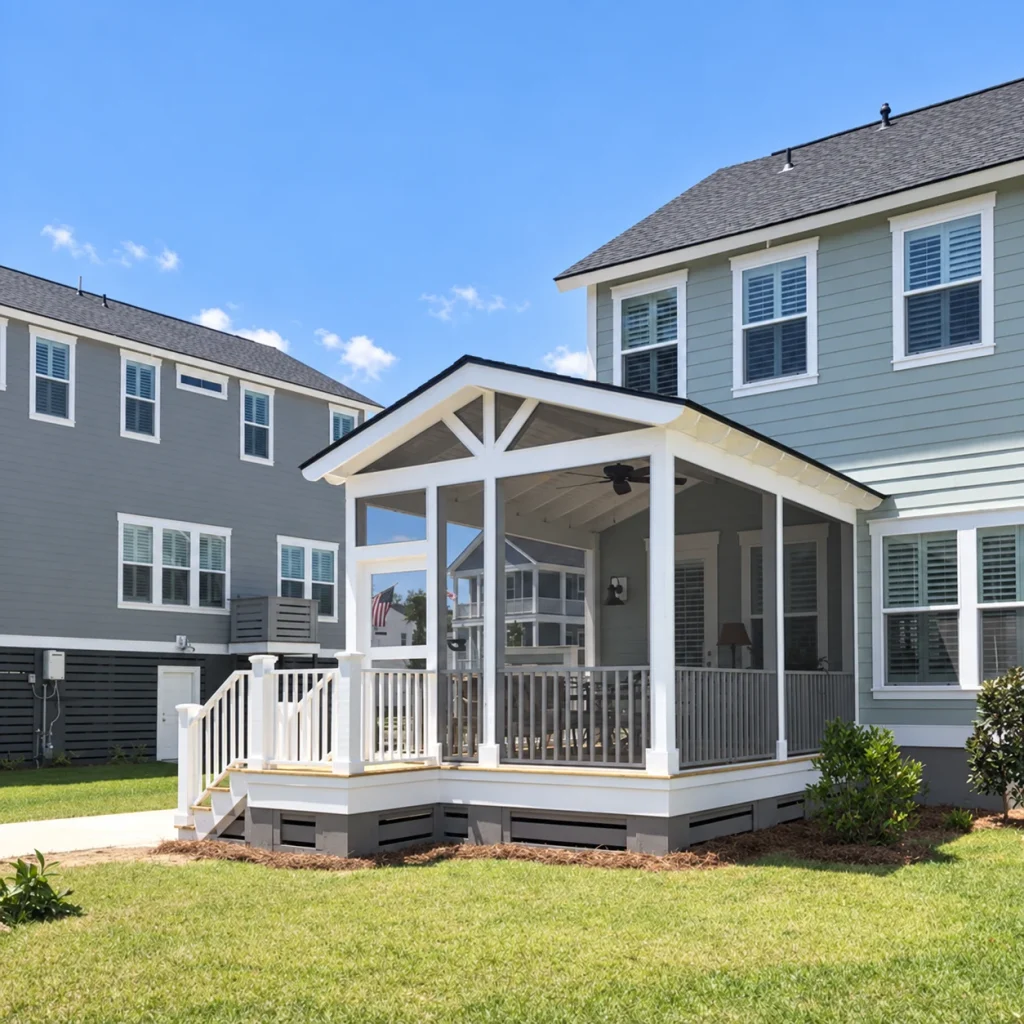
The reasons people choose John’s Island — marsh views, grand trees, water access — are also engineering briefs. Marshfront lots bring flood-zone foundations, buffer rules and the orientation question of which rooms earn the view. The oaks are both treasure and constraint: significant trees shape footprints and construction logistics, and the best island builders treat crane paths and root protection as part of design. Water access adds the dock conversation — its own permitting world — which at least one firm on this list handles in-house. Even the island’s agricultural past participates: old field drainage patterns inform where water goes in a storm, which informs where a house should sit. None of this subtracts from the dream; it is the dream, engineered. The builders who thrive here talk about these assets the way sailors talk about weather — specifically, respectfully, and from experience.
Shortlisting from a distance, island edition
Plenty of John’s Island projects are commissioned from Mount Pleasant kitchens, Charlotte offices or farther, and the island’s patchwork makes remote vetting worth doing carefully. Start by filtering for island specificity: a firm’s site and galleries should show projects you can place — marshfront foundations, rural parcels, the island’s communities by name — rather than generic Lowcountry stock photography. On the first call, ask parcel questions and listen for fluency: jurisdiction, flood zone, access and utilities should produce specific, unhesitating answers about homework the firm has clearly done before. Ask for addresses and drive them on your next trip across the bridge — exteriors age honestly. Ask every reference about communication rhythm, because your distance makes the daily photo and the responsive project manager the backbone of the relationship. And when the shortlist reaches two, buy each firm’s feasibility conversation about your actual parcel before you commit to either: an hour of site-specific thinking is the cheapest audition in construction, and on an island this varied, it is also the most revealing.
And if your timeline is flexible, use it: the island’s best builders book ahead, and the projects that start with unhurried feasibility work — parcel studied, jurisdiction confirmed, design given its months — are the ones that finish on their numbers. John’s Island rewards planners. The families enjoying marsh sunsets from their porches this year are, almost without exception, the ones who started the conversation a year before they needed to.
However your John’s Island story begins — a purchased parcel, an inherited farmhouse, a community lot with a marsh view — the next step is the same: walk the land with a builder who knows the island, and let the property tell you both what it wants to become. The firms above all know how to listen to it.
The island is filling in, but it is not filled — which means the next few years of John’s Island builds will set the tone for its next fifty. Choose a builder who treats that as a responsibility, and your house becomes part of the argument for how growth should look.
Frequently asked questions
Both — the island is a patchwork, and your parcel’s jurisdiction sets your permitting path. It is the first thing a builder should check, and the firms on this list check it by reflex.
Very often yes — wells, septic and utility extensions are routine island work — but the feasibility and cost picture is lot-specific, and it belongs in the conversation before design, not after.
Yes — flood-zone engineering and elevated construction are standard island practice, and at least one firm above builds docks as well. Marshfront adds process; it does not subtract possibility.
A specialty in its own right, and two firms on this list — ours included — do exactly that kind of whole-home work: keeping the character, replacing the liabilities, and adding the space the next fifty years will ask of the house. Closing disclosure, in the spirit of the island — relaxed but honest: the author builds for the company listed first, the order means nothing after that, and nobody bought their way on. Kick the tires on all of us, then choose at your own discretion.